


Getting a dental implant is a process, not a single appointment — and knowing what recovery actually looks like, week by week, makes it much less intimidating. While every patient heals a little differently, most implant recovery follows a predictable pattern.
Is implant recovery painful?
Most patients describe it as manageable, similar to a tooth extraction.
How long does full healing take?
Soft tissue heals in weeks; full bone integration takes a few months.
Implant Recovery: The First 24 to 48 Hours
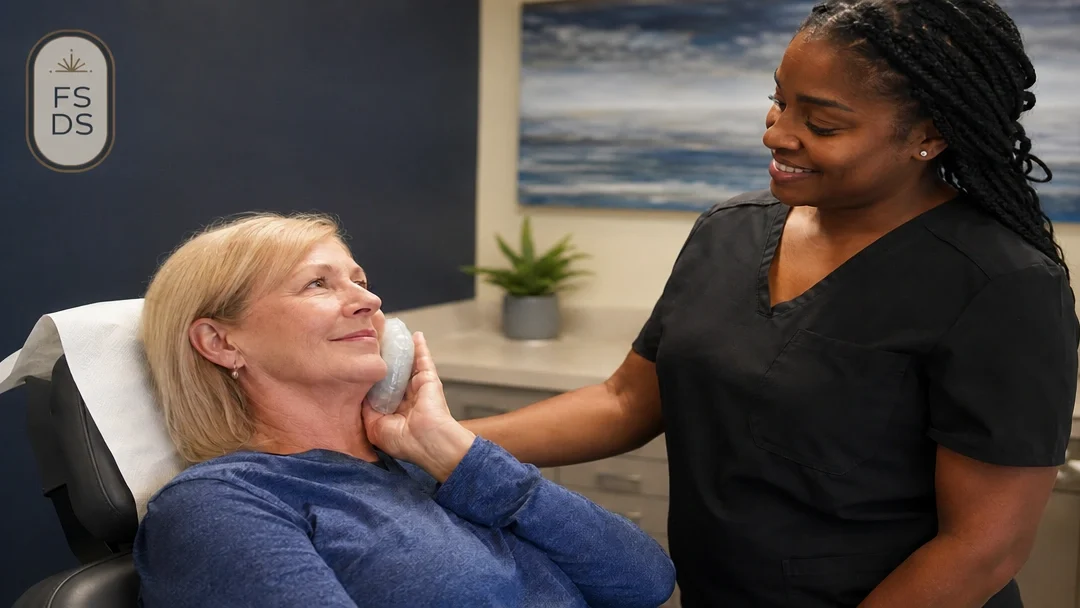
Some swelling, mild bleeding, and tenderness at the implant site are normal in the first day or two. Ice packs applied in short intervals help control swelling, and any prescribed or over-the-counter pain medication should be taken as directed. Stick to soft, cool foods, avoid using straws, and skip smoking — both can disrupt the healing site and slow recovery.
The First Week
Swelling typically peaks around day two or three, then gradually subsides. Continue with a soft-food diet and gentle brushing, avoiding the surgical site directly. If stitches were placed, they may dissolve on their own or need a quick removal visit, depending on the type used.
Weeks Two to Four
Most patients feel back to normal day-to-day activities within a week or two, though the implant site is still healing beneath the surface. You can typically return to a more normal diet, but it’s still wise to avoid very hard, crunchy, or sticky foods near the implant site until your dentist confirms it’s ready.
Three to Six Months: Osseointegration
This is the phase that makes implants different from any other tooth replacement option: the titanium post gradually fuses with your jawbone in a process called osseointegration. This is what gives implants their exceptional stability and long-term durability. Once integration is confirmed, typically with an X-ray, the final custom crown is attached and treatment is complete.
Tips for Faster, Smoother Healing
- Avoid smoking or vaping, which significantly slows healing and increases implant failure risk.
- Follow your post-operative instructions exactly, including any prescribed rinses or medications.
- Stick to soft foods until you’re told otherwise.
- Keep the area clean without directly disturbing the surgical site.
- Attend every follow-up appointment so healing can be monitored.
When to Call Your Dentist
Contact your dentist if you experience bleeding that doesn’t subside after a couple of days, pain that worsens instead of improving, fever, pus or a bad taste near the implant, or if the implant feels loose. These can be early signs of infection or a healing issue that’s much easier to address early.
Recovering From Dental Implants in Boynton Beach
Our team walks every implant patient through exactly what to expect before, during, and after treatment, so there are no surprises. Learn more about dental implants at Fancy Smiles Dental Studio or schedule a consultation to get started.
Frequently Asked Questions
1. How much downtime do I need after implant surgery?
Most patients take it easy for a day or two, then return to normal light activities. Strenuous exercise is usually best avoided for about a week.
2. Can I eat normally right after getting an implant?
Not right away — stick to soft, cool foods for the first several days, then gradually reintroduce normal foods as healing progresses.
3. Why does full healing take months if I feel fine after a week?
Feeling fine means the soft tissue has healed, but the implant post is still fusing with the jawbone beneath the surface — that process takes longer and is essential for long-term stability.
4. Is it normal for the implant site to feel a little different than my other teeth?
Some difference in sensation is normal at first and typically fades. Ongoing pain or looseness is not normal and should be checked.